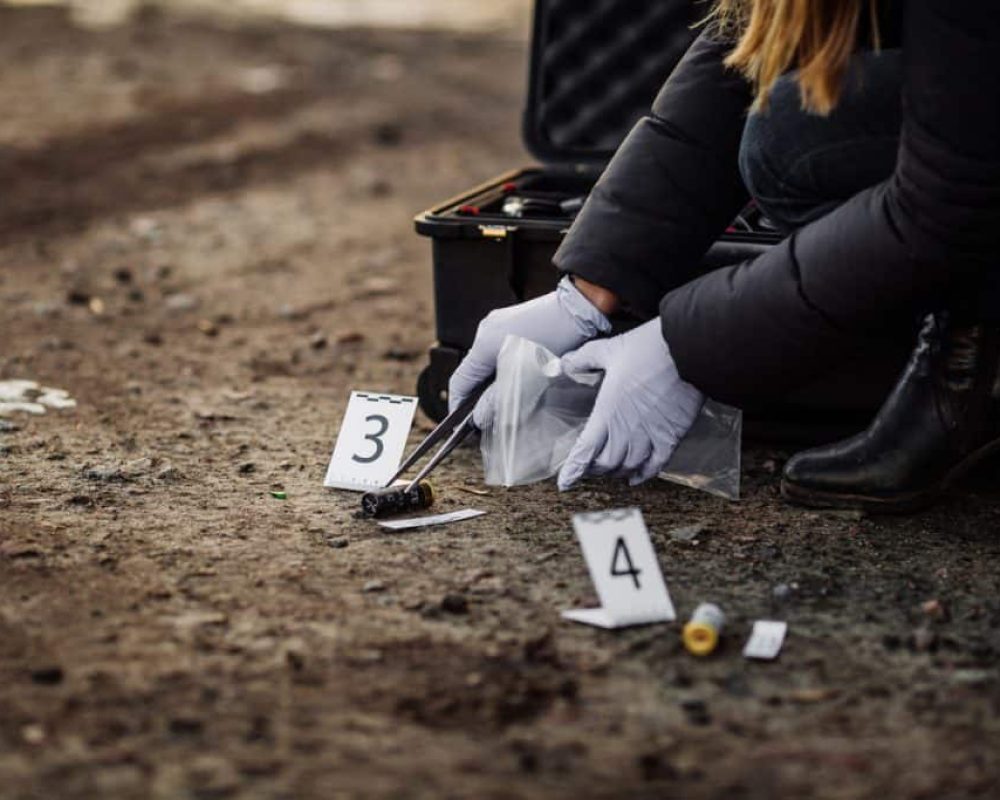
Although many of us have seen a crime scene on television or in movies, most people aren’t familiar with how a tragic situation like that actually affects the people involved. While the emotional and psychological consequences of any violent crime will be felt for years afterward, crimes often also leave a physical mess that needs to be taken care of immediately in order for life for the victims to resume in any kind of normalcy.
While many people might think they know what would happen in the event of a violent crime, it’s easy to overlook the gritty details of how to take care of the situation amidst the dramatic aspects of law enforcement and the courts. Here are three common myths about crime scene cleanup, so that if you are ever in the incredibly unfortunate position of having to deal with the aftermath of a violent crime, you can leave the unpleasant cleanup to us.
#1: Cleanup is taken care of by law enforcement.
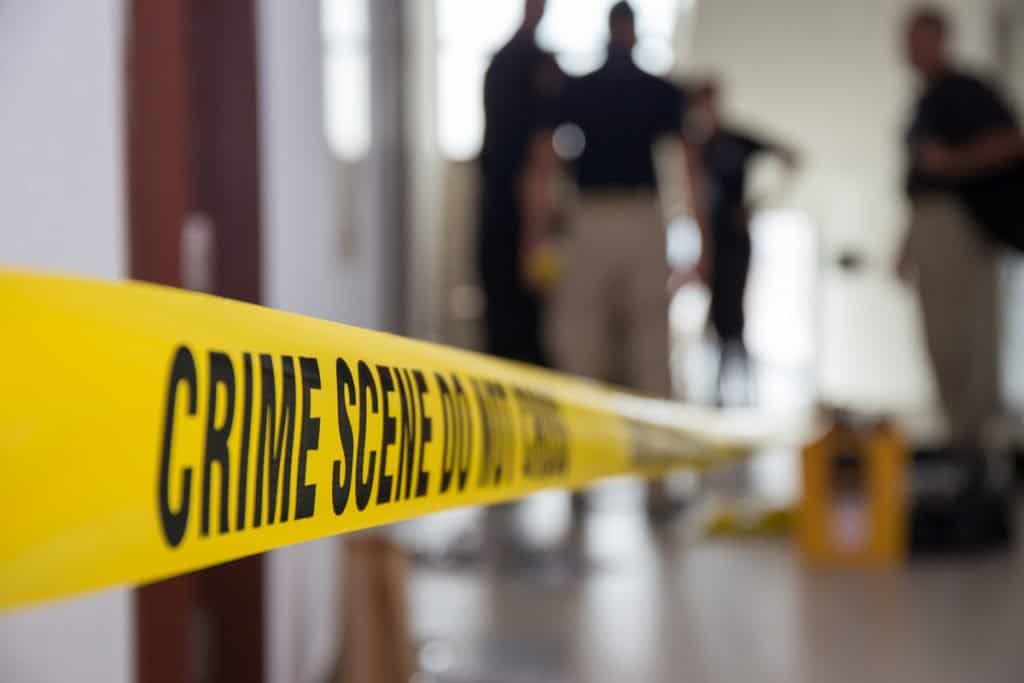
Many people think that law enforcement is responsible for the cleanup of a crime scene after they’re finished investigating. This is often implied in cop shows on television, where a crime scene is closed off behind yellow tape and forensic crime scene investigators wearing gloves pick apart the surroundings. What you don’t see on screen is what happens after the investigators leave. Crime scenes must be cleaned by trained professionals, usually hired by the owners of the property. This makes cleanup a very important consideration that could create huge problems if left unaddressed.
#2: Crime scene cleanup can be done by anyone.
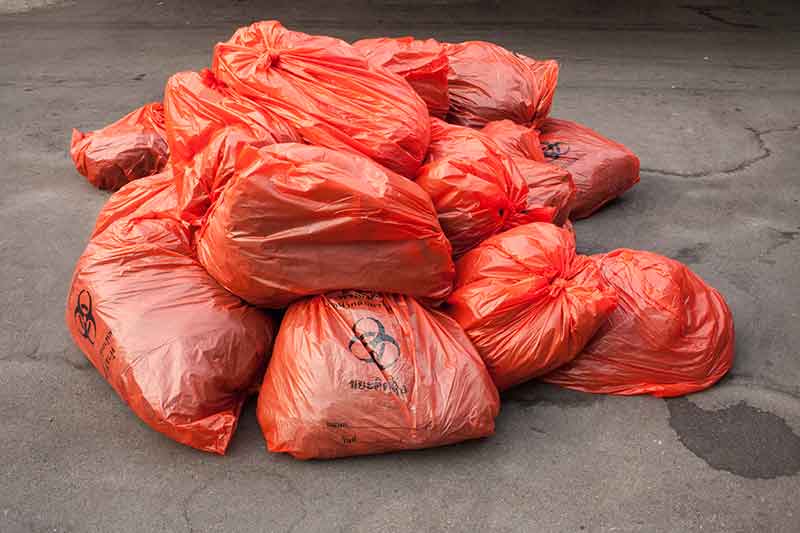
Although you might think that crime scene cleaners are just ordinary cleaners with standard equipment paid to clean up sensitive and disturbing situations, the reality is that cleaning up biowaste and other potentially hazardous material requires special tools and training to accomplish. Enzyme cleaners and other industrial-strength products are used, which can be very dangerous and toxic if attempted by an untrained person. Crime scene cleanup is obviously also potentially traumatic, since cleaners are dealing with decomposing human tissue and other indications of violence. Cleaners need to be trained emotionally and physically in order to do their jobs properly.
#3: Biohazard cleanup is limited to crime scenes.
Although most obviously used for crime scenes, biohazard cleanup services are used for a variety of situations, including accidents and suicides. Any event that results in exposure of an environment to biowaste should be professionally cleaned and sterilized, as exposure to these substances can pose significant health risks later on. Biohazard cleanup is one of the most important parts of the aftermath of many traumatic incidents and understanding the necessity of proper cleaning will allow the recovery process to be as swift as possible.
By learning the truth behind these common myths around crime scene cleanup, hopefully you can better equip yourself with the information you need to readily and quickly begin the recovery process if you are ever affected by an unexpected tragedy. Though these types of events are extremely painful no matter what, knowing the process for how to navigate the aftermath as effectively as possible is the first step in trying to resume a normal life. While we may not be able to personally comfort you after a tragedy, you can take comfort in the fact that we here at Austin Bio Clean are here for you 24/7 to take care of the cleanup with both compassion and efficiency.